




Introduction: The Rise of Smart Doorbells
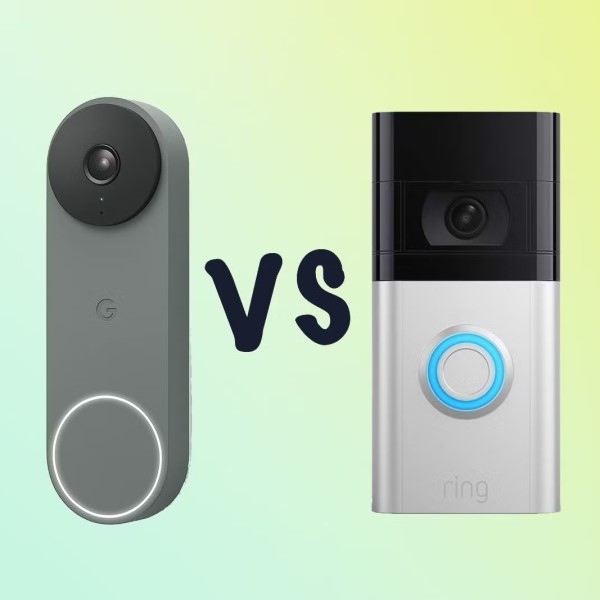
The advent of smart home technology has transformed home security, and two leading contenders in this market are the nest vs ring doorbell systems. As homeowners seek enhanced safety and convenience, smart doorbells offer solutions that allow remote monitoring, two-way communication, and advanced features. This article provides a comprehensive comparison of the Nest and Ring doorbells, highlighting their features, pricing, user experience, and overall value.
Overview of Nest Doorbell Features
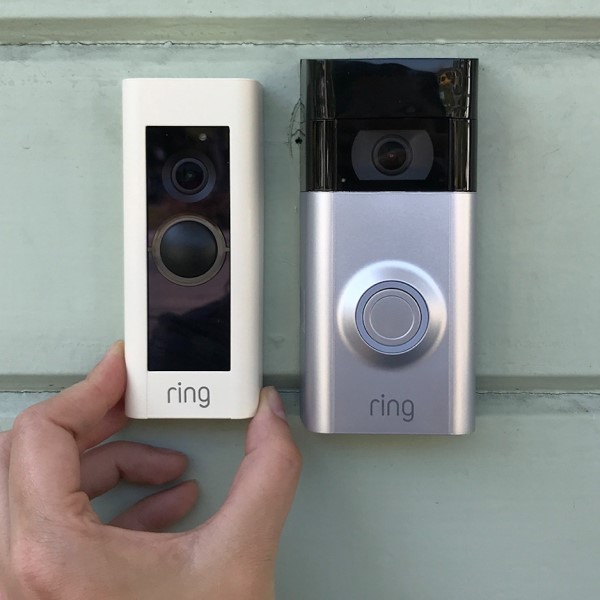
Nest, a product line under Google, offers smart doorbells with several impressive features that make them suitable for modern security needs. Here are some key aspects to consider:
- Video Quality: Nest doorbells generally provide high-definition video, usually at 1080p resolution. This clarity is vital for identifying visitors and monitoring your door effectively.
- Facial Recognition: One significant feature of Nest doorbells is their ability to recognize familiar faces. This feature helps reduce false alerts, as the system can differentiate between regular visitors and strangers.
- Integration with Google Home: Nest devices allow seamless integration with the Google Home ecosystem. This compatibility means the doorbell can work harmoniously with other Google devices, simplifying control and monitoring.
- Customizable Motion Zones: Users can set specific motion detection zones. This ability ensures that notifications are only sent when movement occurs in designated areas, helping to reduce unnecessary alerts.
- Cloud Storage Options: Nest offers various subscriptions for cloud storage, allowing users to save video footage for later review. The subscription provides additional features, including extended history and alerts.
Overview of Ring Doorbell Features
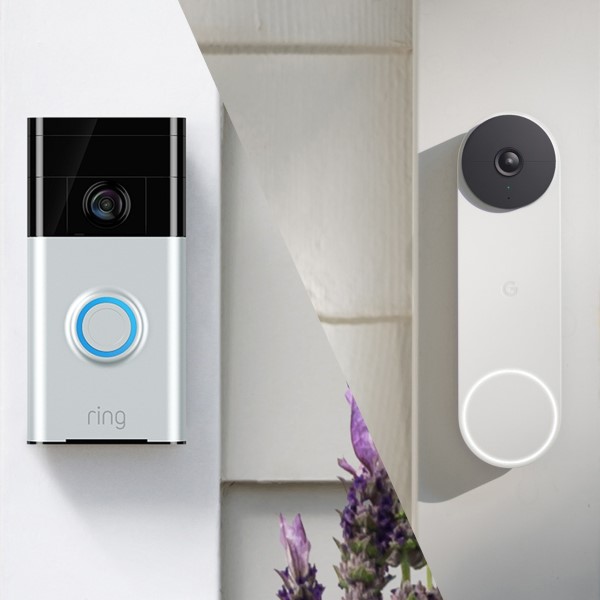
On the other hand, Ring has set a high standard in the smart doorbell market. Here’s a breakdown of the key features and benefits Ring offers:
High-Definition Video
- Video Quality Comparison: Like Nest, Ring provides 1080p high-definition video quality. This level of clarity is crucial for identifying visitors and monitoring activities clearly.
- Real-Time Monitoring: The high-definition capability ensures that homeowners can see details such as facial recognition and package labels. Clear visuals enhance the overall utility of the doorbell camera.
- Night Vision Features: In addition to daytime clarity, Ring doorbells often come equipped with night vision technology. This feature allows for effective monitoring in low-light conditions, ensuring safety at all times.
- Wider Field of View: Many Ring doorbell models come with a wide-angle lens, offering an expansive field of view. This feature enables users to capture more of the surroundings, providing a fuller picture of activity at their door.
Two-Way Audio
- Effective Communication: Ring’s two-way communication feature facilitates direct conversations between homeowners and visitors. This capability is especially useful for coordinating details with delivery drivers or answering questions from guests.
- Remote Access: Homeowners can use the Ring app to communicate from virtually anywhere. Whether at work or on vacation, the ability to talk with someone at the door adds an extra layer of convenience.
- Enhanced Security: Two-way audio can deter potential intruders. By effectively communicating with someone at your door, you can assume control of the interaction without needing to open it.
- User-Friendly Interface: The Ring app is designed for seamless use, allowing users to initiate conversations with a simple tap. This intuitive design contributes to an overall positive user experience.
Flexible Subscription Plans
- Variety of Options: Ring offers different subscription plans tailored to users’ storage needs. These plans range from basic options that cover essential features to premium plans that provide extensive storage and advanced functionalities.
- Cloud Storage Benefits: Users benefit from cloud storage, which allows them to access recorded footage anytime, anywhere. This feature is particularly important for reviewing incidents or packages that were delivered.
- Affordable Pricing: Ring’s subscription plans are competitively priced, starting at a low monthly rate. This affordability makes it accessible for most homeowners while ensuring they have the necessary features.
- Free Trial Opportunities: New users can sometimes take advantage of free trials for premium subscriptions. This opportunity allows users to explore the features before committing to a paid plan.
Community Features
- Neighborhood Engagement: Ring’s community features encourage users to actively participate in neighborhood safety. Through the Ring Neighbors app, users can share notifications and stay updated on local activities.
- Real-Time Alerts: Users receive alerts about incidents in their vicinity, such as suspicious activities, package theft, or crime reports. This information can help residents be proactive about safety.
- Building Community Trust: By sharing information with neighbors, Ring fosters a sense of community. Users can connect and collaborate to enhance local security, promoting a safer neighborhood overall.
- Crime Reporting Tools: The platform allows users to report local crimes and suspicious activities directly. This feature increases awareness and helps notify local authorities, creating a more vigilant community.
Customizable Alerts
- Tailored Notifications: One of the standout features of Ring is the ability for users to customize alert settings. Homeowners can choose which events trigger notifications, helping to tailor the experience to their preferences.
- Minimizing False Alerts: By setting specific motion zones, users can refine the areas they want to monitor. This precision reduces the number of false notifications caused by irrelevant movements, such as passing cars or pets.
- Different Alert Types: Ring provides various alert types, including motion alerts, person detection, and package alerts. Users can select which notifications they wish to receive based on their specific security needs.
- User Control: The customizable settings empower users, allowing them to retain control over their notifications. This feature enhances user satisfaction by ensuring that alerts are meaningful and relevant.
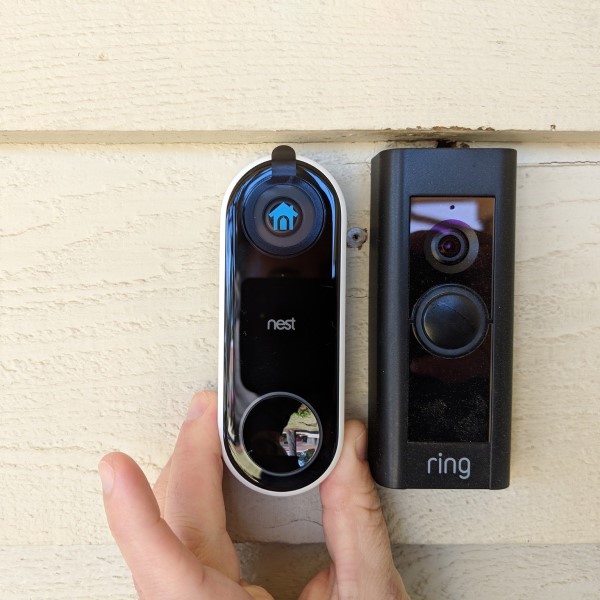
Comparing User Experience: Nest vs Ring
- Installation Process: Both the nest vs ring doorbell offer relatively simple installation processes. Ring is often praised for its straightforward mounting steps and quick setup via the mobile app. Nest also provides clear instructions but may require additional steps for integration into a Google Home setup.
- Mobile App Usability: The Ring app is user-friendly, making it easy to navigate through features, live feeds, and settings. Users often highlight the responsive nature of the app. The Nest app is also intuitive, providing streamlined access to features like facial recognition and alerts, but it may take some time to get used to for new users.
- Customer Support Experience: Both companies offer support, but Ring is noted for its comprehensive online help center, which includes FAQs, troubleshooting guides, and community forums. Nest’s support is solid, but some users report longer wait times for assistance.
- Daily Use Functionalities: In everyday use, users appreciate the additional features offered by both systems. Ring’s social features may appeal to those interested in community safety, while Nest’s facial recognition benefits those prioritizing home invasion prevention.
Pricing and Subscriptions
- Initial Costs: In terms of upfront investment, Ring doorbells typically range from around 100 to 250, depending on the model and features. In comparison, Nest doorbells are often priced slightly higher due to their advanced features and Google integration.
- Subscription Models: Ring offers various subscription levels, starting from basic video storage to premium plans that provide extra features. The benefits of these subscriptions can significantly enhance user experience but come at a recurring cost.
- Nest Subscription Costs: Nest’s subscription service also includes cloud storage options, but it is generally considered more premium in pricing. Users need to assess which features justify these costs based on their security needs.
- Value Assessment: Users should evaluate the overall value each doorbell system offers, considering both upfront costs and recurring subscription fees. This evaluation will ultimately influence which doorbell is the more economical option in the long run.
Security Protocols: Ensuring Safety
- Encryption Standards: Both Ring and Nest prioritize user security through encryption protocols for data transmitted between the devices and mobile applications. However, users should research and understand the specifics of each company’s data protection measures.
- Privacy Concerns: Ring has faced scrutiny over privacy policies and data handling practices, prompting reviews and adjustments. Users should remain informed about how their data is managed and what options they have regarding privacy settings.
- User Control Over Data: With Nest, users benefit from clear and manageable privacy settings. It’s crucial to understand how user data is utilized and stored, regardless of whether the chosen solution is nest vs ring doorbell.
- Community Awareness: Users of Ring are often engaged in neighborhood safety through the Ring Neighbors feature, enhancing overall security awareness. In contrast, Nest lacks a comparable community feature but remains focused on individual home security.
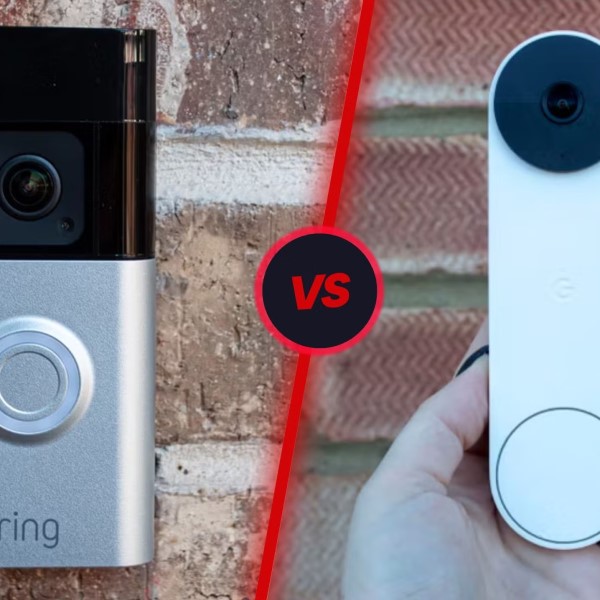
Frequently Asked Questions
Is Nest being phased out?
As of now, Nest products remain popular and widely supported. However, tech landscapes change rapidly, so it’s advisable to stay updated on any corporate announcements regarding product lines.
Which smart doorbell is best?
The best smart doorbell varies based on user needs. Ring is ideal for users seeking strong community features and customization options, while Nest appeals to those wanting advanced integration with Google Home and sophisticated security features.
Conclusion
In conclusion, the nest vs ring doorbell comparison offers valuable insights for homeowners looking to enhance their security. Practicing diligence in evaluating features, user experience, and pricing will help you make an informed decision. Whether you prioritize advanced features like facial recognition or community engagement, both options can significantly improve your home security systems.
By understanding the nuances of each doorbell, you can tailor your choice to best fit your needs, ensuring peace of mind and enhanced safety for your household. Your selection will ultimately depend on your unique requirements, lifestyle, and budget, so take the time to weigh your options carefully.